Making Sense of Bay Window Blinds for Large Glass Areas
Why Large Glazing Poses a Challenge
Homes with wide expanses of glass bring in light and a connection to the outdoors, but they also create a practical problem: how to control privacy, glare and heat without spoiling the view. A single oversized window or a set of patio doors can leave you wondering whether standard blinds will fit or look right. The answer often lies in understanding the geometry of your window recess and the options designed for tricky spaces.
Large glazing is not just about width. The depth of the recess, the position of window handles, and whether the glass sits flush with the wall or projects forward all affect what kind of blind will work. For a bay window, the angled walls between each pane add another layer of complexity. Each section may need its own blind, and the challenge is to make them line up neatly at the top and sides so the whole bay looks unified rather than disjointed.
The Role of the Window Recess and Angled Walls
Before choosing any blind, measure the window recess carefully. A recess is the space between the inner surfaces of the frame where the blind will sit. If you want the blind to hang inside the recess, you need enough depth to clear the glass and any handle that protrudes. If the recess is too shallow, an outside-mounted blind that covers the whole frame may be a better option.
Bay windows typically have three or more panes set at angles. Each pane forms its own small recess, and those recesses rarely share the same width or depth. The angled walls between them mean that a single continuous blind would not sit flat. Instead, separate blinds for each pane are the standard solution. The trick is to mount each blind at the same height and with a consistent overlap so the gaps between them are minimal. A professional blind fitting can handle this alignment precisely, avoiding the uneven look that can result from DIY guesswork.
Options for Patio and French Doors
Patio doors and French doors bring their own demands. The door itself needs to open and close without the blind catching on the handle or the frame. Roller blinds that sit in a cassette above the glass work well here because they roll up out of the way. Roman blinds can also be used, though they need a deeper recess to fold into. For doors that open inward, a tensioned wire system or a top-down bottom-up blind gives you flexibility: you can lower the top for light while keeping the bottom private, and the blind stays clear of the handle.
One common mistake is choosing a blind that is too wide for the door panel. The fabric can rub against the frame as the door moves, leading to wear over time. Ordering made-to-measure blinds that match the exact width of each glass panel avoids this problem. If the door has a central mullion, you may need two separate blinds, one for each leaf, to allow both sides to open independently.
Roof Windows and Skylights
Roof windows or skylights present a different geometry. The blind must hang at an angle, which changes how it operates and how the fabric behaves. Some blinds use side channels or tension cables to keep the fabric taut and prevent it from sagging. Others rely on a sprung mechanism that holds the fabric in place at any height. Blackout fabrics are a popular choice for bedrooms with skylights, but they need to be tested for light leakage around the edges. A good fit here is critical because even a small gap can let in a distracting shaft of light.
Manual operation of a roof window blind can be awkward if the window is high. Cordless systems with a wand or motorised control are much more practical. Motorisation also lets you set the blind on a timer, which is useful for managing heat gain in summer. The electrical work should be handled by a qualified installer to keep everything safe and compliant.
How the Right Fit Changes the Look
The visual effect of a blind on a large window is immediate. A blind that stops short of the frame edge or that leaves a gap at the top calls attention to itself. The goal is for the blind to look like it belongs there, as if the window was designed around it. That means the fabric should sit flush against the glass or the frame, and the brackets should be hidden or painted to match the trim.
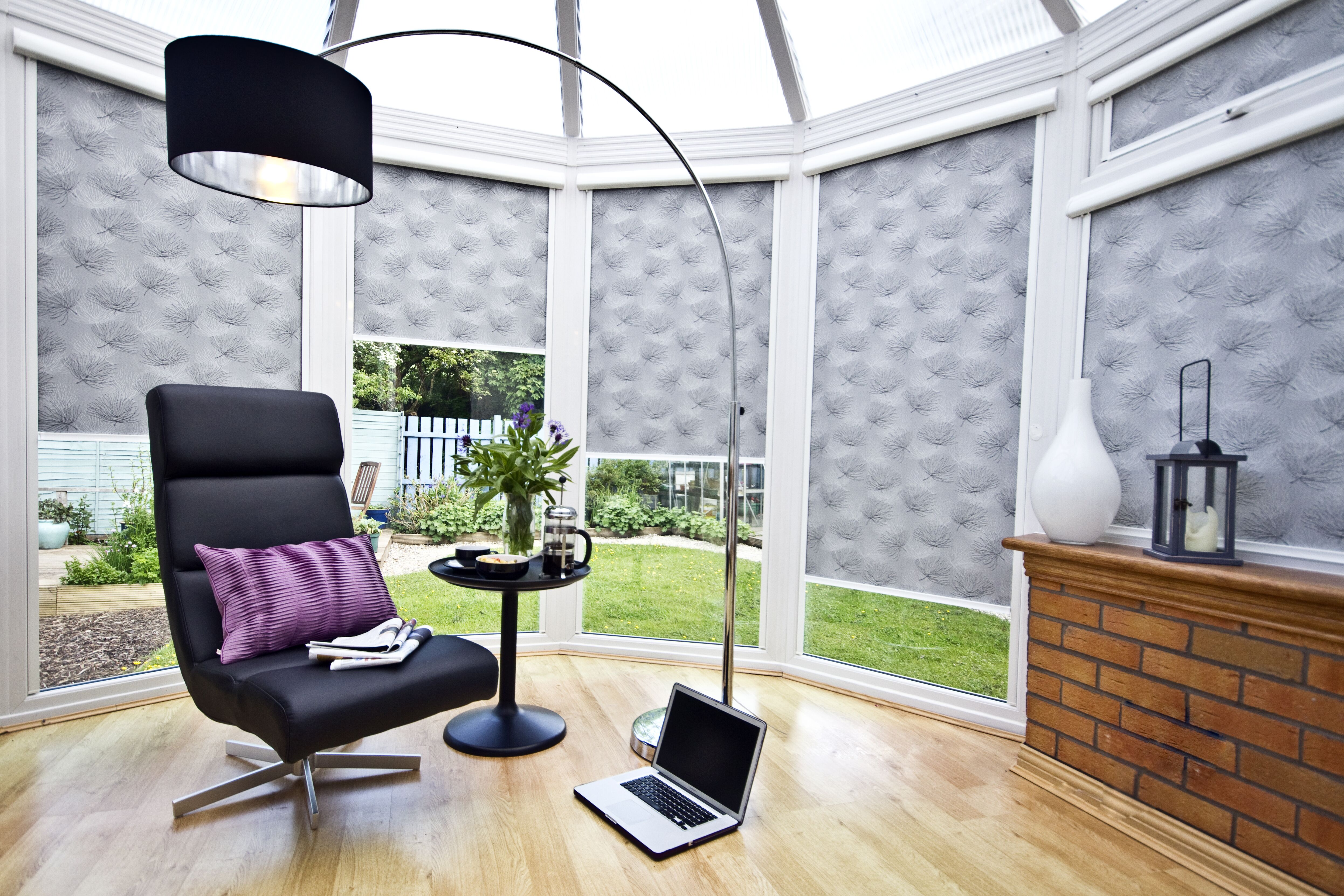
For a bay window, the alignment between the separate blinds is everything. If each blind is mounted at a slightly different height or with a different overlap, the bay will look uneven. A professional blind fitting ensures that the brackets are positioned at exactly the same level across all panes and that the overlap on each side is consistent. The result is a clean line from one end of the bay to the other, with only the natural gap of the angled walls visible.
What to Watch Out for with Window Handles
Window handles can be a hidden obstacle. A handle that sticks out from the frame may stop a roller blind from sitting flat against the glass. In a shallow recess, the blind may need to be mounted on a bracket that extends forward, or you may need to choose a blind with a slim headrail that clears the handle. Another option is to use a tensioned blind that attaches directly to the window frame rather than the recess. This moves the blind forward enough to avoid the handle while still covering the glass.
If the handle is particularly large or crank-style, test the clearance before ordering. A good installer will check the handle depth during the survey and recommend a mounting method that avoids interference. Skipping this step can lead to a blind that cannot be raised or lowered fully because the handle blocks the mechanism.
Materials and Light Control
The fabric you choose affects how the blind performs day and night. A sheer fabric lets in soft diffused light while offering daytime privacy. For a room that faces a busy street, a blackout lining may be necessary for evening use. Blackout fabrics can also help with temperature regulation, keeping heat inside during winter and reflecting it away in summer. For a large expanse of glass, consider a fabric with a reflective backing that reduces solar gain without darkening the room completely.
Another consideration is the colour. A light-coloured blind will bounce natural light around the room, making the space feel larger. A dark blind absorbs light and can make the room feel cosier but may also fade over time if it faces direct sun. Linen-look fabrics offer a middle ground, with a texture that hides dust and a colour range that works in most interiors.
Why Professional Installation Matters
Fitting a blind to a large window or a bay window is not the same as hanging a simple roller in a standard square frame. The geometry is more complex, the weight of the fabric is greater, and the alignment requirements are stricter. A professional installer has the tools and experience to handle these variables. They will measure the recess accurately, account for any irregularities in the wall or frame, and mount the brackets so that the blind operates smoothly for years.
DIY installation of a large blind can lead to frustration if the brackets are not level or if the fabric catches on the frame. The extra cost of having someone else do it is often offset by the time saved and the better result. For a bay window, where the visual harmony of the whole arrangement matters, the difference is especially noticeable.
Making the Decision
If you have a large expanse of glass in your home, the right blind is the one that fits the space properly and suits your daily use. Measure the recess, note the handle positions, and think about whether you need blackout, sheer or reflective fabric. For a bay window, plan on separate blinds for each pane and have them installed at the same level. For patio or French doors, check that the blind will not interfere with the door opening. And for roof windows, consider motorisation for convenience.
A well-chosen blind transforms a large window from a source of glare into a controlled source of light. It protects your privacy without blocking the view. And with the right fit, it becomes a permanent part of the room rather than an afterthought.